 I Accept All Terms to Use Site
3 "AMAZING" BOOKS!
- Our Amazing Cats
- Our Amazing Cats - 2
- Our Amazing Dogs
 CLICK IMAGE for "Amazing" Details!
~ GRAB YOUR COPY TODAY! ~

( An AMAZING GIFT Too! )
A Delightful Compilation
of Stories by Different Authors.
They'll make you smile,
yank out the tissues
and
be inspired
to keep on reading!
Including --
FEATURED Stories of
our OWN RESCUES!
Not only will you
be delightfully entertained
- but -
YOUR PURCHASE WILL HELP SAVE MORE DESPERATE LIVES!
Thank You

TIRED of ALL the
PET FOOD RECALLS?!
KEEP YOUR CATS SAFE!
_____________
FREE Cat Food Recipes!
'Cat Cuisine from
Your Kitchen'

Homemade Health
for Your Cat!'
_____________
Click the Book for Your
FREE COPY!
HELP US SAVE MORE LIVES
While YOU:
* SAVE On ALL Your Pets' Needs!
* Solve ALL Your
Shopping Needs
Safely!
VISIT OUR:
*AMAZON Store
*NOVEL- TEES
& MORE Store
..........
CAT NEEDS & MORE!
*FIND ANY CATEGORY
*SHOP ANY CATEGORY
(USE AMAZON SEARCH BOX)

CLICK ME NOW - SHOP
OUR AMAZON STORE!
............
DISCOVER CAT-THEMED TREAURES for ALL AGES!

CLICK ME NOW - SHOP
OUR NOVEL-TEES & MORE STORE!
U Save $$$ - U Help Save Lives!


 Feline Treatment – Holisitic and Traditional Cat Care

PLEASE READ our “TERMS of USE” prior to using our site.
To COMMENT – Click ‘Comments’ Tag at End of Articles
_______________________
Feline Treatment at Home – Natural / Holistic and Conventional Cat Treatment Options
Feline treatment with more natural, holistic methods at home is growing in appeal, much like the heightened interest in providing for our own health issues in a more whole-body, non-drug manner.
Through the past decades, most cats have managed to sustain good health with fairly minimal maintenance, even as they advanced through their senior years. But alarms have been raised in the past several years of noticeable increases in instances of more serious and more unusual illnesses for well-nurtured domestic cats.
With such troublesome news, and perhaps augmented with personal experience, many cat guardians are alert and educating themselves now to adopt some of the more natural, holistic means to provide sound and safe health regimens and holistic feline treatments for their cat residents.
 While serious cat illnesses and diseases are best treated with veterinary supervision, many feline ailments and conditions can and are being treated successfully and safely with home remedies and natural cat care treatments at home. Both comfort to the cats and savings on ever-escalating vet bills are benefits, along with avoiding some of the more toxic ramifications that seem more and more prevalent.
Natural feline treatment includes holistic methods such as proper nutrition, good cat vitamins and cat supplements, natural food recipes, color and crystal therapies, use of certain oils and herbs, homeopathic tinctures, different types of body manipulation techniques and an overall view of environment and living conditions. All of these non-drug cat treatment options have been reported to be effective in varying degrees in restoring cats to health from certain illnesses. Natural feline treatment remedies are so valued, since they work not only for the specific cat health problem, but they can also foster improvement for other overall health aspects. Most holistic forms of feline treatment seek to heal the entire entity, along with the underlying causes, not just specific conditions.
Please note again, that treatment of serious cat illnesses is not recommended without veterinary supervision. And while it may be difficult to find veterinarians that practice or incorporate any natural or holistic treatments in their practice, it is highly recommended to consult with your trusted  pet’s doctor about any harm that might be done through use of any of the holistic treatments or substances you may wish to utilize at home based on your research. Sometimes, certain conventional drugs or therapies may conflict seriously with seemingly benign and simple home-type remedies. Many seemingly ‘safe’ treatments from our home medicine cabinets, that we may use for our own afflications, may be highly toxic and even lethal for our feline friends and other pets. Even some of our own food can be toxic and even lethal for our cats, dogs and other domestic pets.
There are many benefits derived from using “Mother Nature’s’ provisions to aid and heal our own health as well as our special furry companions, but all should be done with caution, due care and informed diligence. Fortunately, there is more and more information and research being provided, but we must take care to assure we have reliable sources and understanding with proper follow up with professional medical guidance as needed.

Natural remedies are often prized as adjuncts to modern, traditional medical treatments. At other times, holistic remedies are preferred over conventional. Some non-drug complementary treatments such as massage, acupressure, Bach Flower Remedies, Reiki, faith-healing, prayer, crystal and color therapy are usually safe when conscientiously administered.
Unless you know what you are using and have researched thoroughly the proper application of any natural cat health remedies and any possible consequences, do not proceed to treat your cat! Improper use of any substance, commercial or natural, can kill your feline friend! Again, consultation with your trusted pet’s health practitioner is advised. “Natural” is not always necessarily safe.
This resource strives to share sound information based upon diligent research, personal experience over the years here in our private sanctuary as well as from other trusted sources. The source of information may not always be remembered or available, as is often the case with knowledge or experience gained over time. But there will never, knowingly, be any ‘gossip’ or ‘fad’ or outright misinformation provided, but rather a sharing of what we have learned or used with success in our own circumstances. We aim to cover the old, the new and potential, both traditional and holistic.
 You must still perform your own due diligence and determine what is right for your own circumstances and for your precious home companions. We need to be mindful of the treatments and medications we receive via our own traditional treatments. Respecting the potency yet potential harmful effects of some ‘natural’ remedies is of no less import.
Please be wary and do not take as’ gospel’ what you may find on many forums and sites. There are many wrong and outright harmful ‘recommendations’ made and ‘home remedies’ touted in countless public forums.
Simply, never assume that anything that you can safely use to treat yourself is equally safe to use for your cats or other domestic animals. There are differences in metabolic processes and abilities of systems to process a variety of substances that may seem safe …including many types of food stuffs for that matter. Arming ourselves with good resources of information will go far in helping us make wise decisions that can help us treat many afflictions our pets may encounter and help us to provide comfort, relief and healing at home…where we all prefer to recover.
And PLEASE..PLEASE…REMEMBER…!
|
|



There may well be some holistic remedies that can be used to treat your cat’s problem(s), but get the necessary professional treatment first and the diagnosis. Then move on to find feline treatment options that may complement traditional cat care and means of recovery for this diagnosis.
Any unusual behavior that appears suddenly or that you realize has been repeated …Any symptoms of pain, distress or anything out of character for your special cat or other animals should be attended by your trusted Veterinarian or an Emergency Facility if your vet isn’t available.
Learning Modes of Feline Treatment Together – Sharing the Wisdom
Your own experiences of what has worked, what has not, what you have found important to avoid or wise to pursue …your special input is valued and invited here.
Please share your tested strategies, your personal efforts, your triumphs and your defeats.
As like-minded community, we can do much to share and help one another, provide support, wise counsel and sound information, while slaying misinformation that is so prevalent out there, hard-dying myths, outdated ideas, practices, routines and attitudes, and hopefully, together, we can help others make sound, good decisions for their cats and other domestic companions. Cats and their human companions everywhere will benefit.
Prevention is the Best Feline Treatment
Prevention is always superior to a cure, for our cats, dogs and pets as well as for ourselves. Some sound and simple preventive feline treatment routines include:
- practice simple, good hygiene
- feed a proper, by-product and additive free diet of high quality protein balanced with other nutrients essential specifically to felines
- don’t overfeed
- observe and know your cat and its normal state of being and habits
- provide proper medical attention when warranted…don’t take chances!
‘If you don’t know –Go!’ (to the vet)

TLC and affection – special types of feline treatment – add to the perfect ‘recipe’ for good health and a happy life for you and your furry cuddle.
Add to this recipe, lots of love and TLC for your feline friend, and you couldn’t ask for or order any better feline treatment or care to take you and your beloved cat into your senior years together. Two shared lifetimes, filled with love, amusement and that special bond that all loving hearts well understand.
Proper Care and Feline Treatment Applications for your cat can provide you both continued love, joy and amusement for years to come!

For additional and more in depth information on feline treatment, worms treatment, feline renal issues and other cat health and behavior problems, you may also wish to visit our website: Cats.YouniqueSolutions.com and Purr-use our additional help!

~ ‘Cat Cuisine from your Kitchen’ ~
– Homemade Health for your Cat’ –
For FREE , Healthy, Balanced Natural Cat Food Recipes:
Click HERE for Your FREE COPY!
Spread Holiday Cheer with Your Cats – Ideas for Holiday Happiness For Cats and People
 Love Shared Both Ways
During holiday seasons, many look for ways to give back beyond the everyday. To share their Holiday Spirit. Anyone who shares a home with cats, dogs or other pets has a built-in advantage to spreading love around your home, family and community. You can enjoy a number of ways to spread holiday cheer to people and to cats and pets. We enjoy kisses and cuddles from our little furry family members year round, while we provide special care and a loving home in so many ways to give back to them. During the holidays, you and your cats and other pets can reach out to others in different ways to spread cheer, love and smiles to those who may go without, while others celebrate their joys and gratitude for many blessings.
How to Spread Holiday Cheer to Others – People and Cats (Pets)
Adopt or Foster a Homeless Cat or Other Pet
My first thought is to encourage responsible friends and family to adopt a cat or dog or other 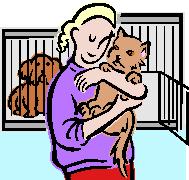 homeless animal from a shelter. Check to see if the shelter or sanctuary has any ‘urgent need’ furballs you or your friends and family can adopt
Many shelters have KILL policies…and saving a desperate cat, dog or other pet from their last breath in a sterile institution, never to know love, cuddles and security, is a loving act that can reward you for a lifetime. Call your local shelters and ask about those needing homes immediately and rescue them into loving arms.
If you cannot adopt them, then perhaps your can foster them until a home can be found for life. Or if there is a way to donate to the shelter to keep them off the Kill List…that may be a solution. Of course , anyone who adopts or foster must be able to handle the responsibility with time, finances and healthy, loving shelter and food and resources — but then you wouldn’t likely be reading here if you weren’t prepared. I must add that, holidays are NOT the best time to bring new pets home. The hustle and bustle and chaos can be very frightening and disruptive for a precious pet that has no way of understanding what is going on in their new, strange environment. The smells, sounds and shadows and routines may create more problems down the line for your little furball, that is trying to adjust to totally new ‘everything’…including people s(he) does not know to be trustworthy.
 If you have an out of the way room where you can put comfortable bedding, dishes, litter boxes and small toys where you new pet or foster pet can ‘chill out’, then by all means…My vote is to take them home and make them as comfortable as possible as soon as possible! Even during the holidays. Without such a sequestered ‘safe zone’, a new cat or other pet pet can become disoriented, get out a window or door, or get under foot, even act out– like it normally would not– with so much activity and potentially so many people around for the holidays.
You will likely need to set up a separate space for your new pet for several days or weeks any way so that it can get used to everyone and adjust over time to everything…so keeping it confined away from all the din of domestic holiday bliss is safer for your new cats or other pets as well as for everyone else. The last thing anyone wants is to trip and fall over a frantic new pet causing injury or worse to both species ….or have to go out searching the neighborhood for your newest family member, who slipped out the door as guests were coming and going. What a trauma!
Take in a Cat, Dog or Other Pet of an On-Duty Member of our Service Corps
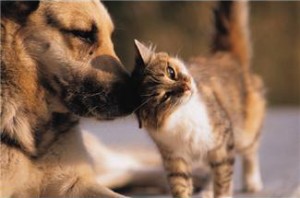 Another wonderful idea is to exchange love with others of both species by taking in a dog or cat – or supporting a boarding accommodation – for a member of our troops while they are away serving us and our country! See the “RELATED ARTICLE” below.
Continue Reading Below…
I was prepared to create an entire post on this subject…but Dr. Becker of Mercola. com beat me to it…and has posted ten ways to give back and share love with others via her blog …citing her ideas were gained from PetMd.
I couldn’t say it better…so I gladly provide THREE of her posted ideas…with a link to MORE at the end.
SCROLL DOWN …. BUT!
—- BEFORE YOU GO! —–
——————-
COME BACK to READ MY PET FIRST AID and SAFETY TIPS – AVOID HOLIDAY HAZARDS! ….and feel free to browse the many other links that may be of interest to you below!
♥ COME BACK to visit us often...There’s lots to share – and Add YOUR info to help cats!
♥ PLEASE LIKE US and COMMENT on these pages! It will help to encourage me that rescue care time taken to share info/resources is helping others!
♥ PLEASE SHARE these posts with others via your favorite social media. You’ll be
Helping Me to Help Others HELP MORE CATS via your social whirl!
AND —
Should You Care to
HELP RESCUE
Even MORE Desperate LIVES


Please Consider Our
“SPIRIT FUND“
SEND SOME LUV in name of our special, paralyzed little kitty boy, whose struggle to victory over abuse inspired me —
and the Fund Title!
Every “Holiday Hug” to our special cats is deeply appreciated – no matter the size!
Happy Holidays from TopCat and all our beloved cats here at OASIS, our Forever Home Sanctuary!
Thank You for Your Help and
in Saving More Sweet Lives!


RESUME READING HERE…..
By Dr. Becker (Mercola.com) – The following suggestions from PetMD are a phenomenal way for you and your pet to do good deeds (and have fun doing them).
How to Give Back… With Your Pet
- Donate Your Dog or Cat’s Blood
Just as donated blood can save human lives, it can save animal lives too, in cases such as injury, anemia, and much more. Animal blood banks may take blood donations directly, or you might be able to help by fostering a rescued pet that’s acting as a donor until he is adopted into his forever home. The Association of Veterinary Hematology and Transfusion Medicine has a list of veterinary blood banks.
- Pet Craft Night
Do you enjoy crafting? Have a pet crafting party with your friends and create hand-crafted pet toys, beds, and blankets. You can then donate the items to a local shelter.
- Volunteer as a Pet Therapy Team
Both dogs and cats can act as therapy animals in hospitals, nursing homes, and other rehabilitation centers. Pet Partners (formerly the Delta Society) can screen you and your pet to see if you’d make a good therapy-animal team.1 For MORE IDEAS, …READ MORE HERE!
Related articles across the web




LOVE CATS?

Can't Adopt or Rescue?

Let Your Heart Speak via Our
SPIRIT FUND!
Sanctuary/Hospice
 |
CLICK
ME to HELP SAVE CATS
HERE at OASIS!
YOU SEND SOME LUV -
We Do All the Rescue Work!
Spirit - and All the Abandoned Lives
He Represents
THANK YOU
for A Last Chance at
Life and a Loving Home Forever
